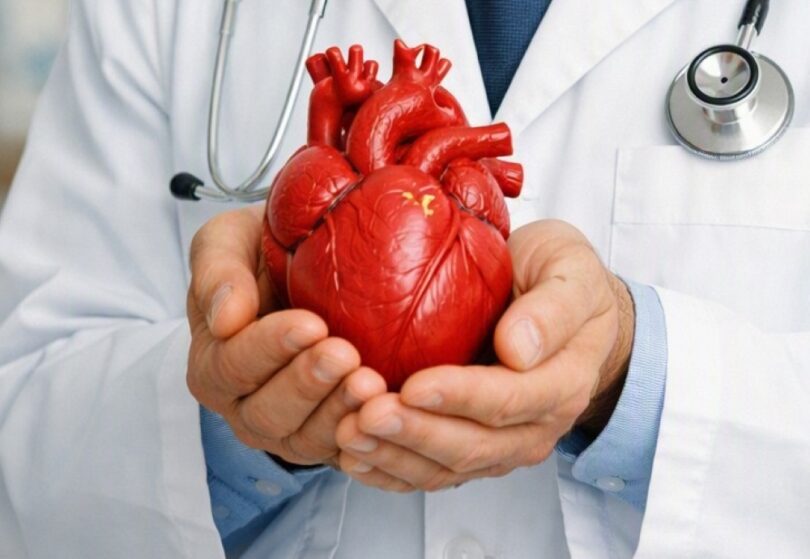
What If A Family Member Or Myself Needs A Donated Organ Later?
Note: One who has opted out of donating organs in the event of ‘brain death’ will have lower priority for receiving an organ. For reasons to opt out, see https://purelanders.com/2024/01/25/25-top-ten-considerations-on-organ-and-body-donations.
Question [1]: What if I need an organ later, (after opting out of donating organs)?
Answer: Since you already know that you will have lower priority for receiving an organ, you should have corresponding higher priority in maintaining your health, such that you will never need any organ from anyone.
Also, with ongoing sincere and diligent practice of mindfulness of Buddha (念佛), as this eliminates evil karmas (消恶业) and accumulates good karmas (累善业), and with healthy living, there will be ever less possibilities of needing a donated organ.
Question [2]: What if a family member needs an organ later, (who did not opt out of donating organs)? Should it be received?
Answer: All these perspectives should be shared with that family member first, if possible, to guide his or her personal decision. Otherwise, you should contemplate these carefully, to help decide, should the family member be unconscious.
There are some organs (such as a kidney) or organ parts (such as from a liver), that can be donated without death involved. The receiving of such organs is surely alright. It might be possible to personally donate such organs to the family member too.
If there is an organ from a donor (that required death) already available, if to be received, there should be commitment to live a more virtuous life, to put the organ to good use. If unwilling or uncertain, it might be better for the next person in the queue.
If it is still difficult to decide to receive it or not, it is best to sincerely to swiftly pray to Āmítuófó (阿弥陀佛) for inspired advice. If the organ is received, out of gratitude and compassion, to facilitate a good rebirth, in case it is not attained yet, there should be lifelong mindfulness of Āmítuófó’s name (念佛) to create meritorious virtues (功德) for the (usually) unknown deceased donor.